Enjoying a meal comfortably is one of the things people most look forward to when they get dentures. For someone who has been struggling with painful or loose teeth, that can make a real difference to everyday life.
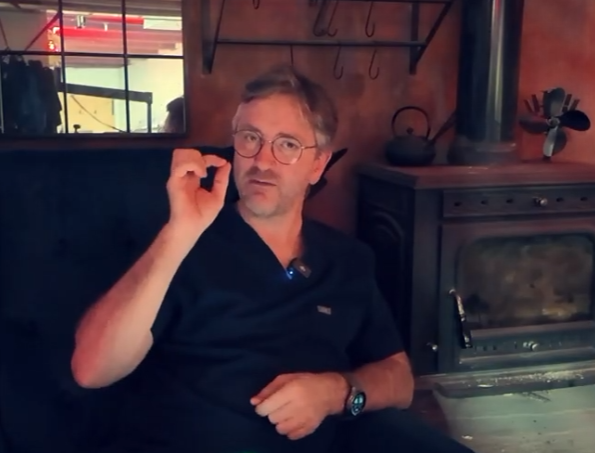
So, can you eat normally with dentures? There is plenty to be positive about, alongside a few practical differences worth understanding. In his Talking Dentures video, Simon Miles explains how dentures work, what affects them during a meal, and why the starting condition of your teeth matters so much.
Here are the main points, with short quotations from Simon and links to hear each one in context.
Eating can become easier than it was before
If your teeth have become loose, painful or affected by gum disease, you may already be choosing meals around what you can manage. Simon explains that, when those teeth need replacing, dentures can help people return to foods they had been struggling to eat.
“Maybe even be able to eat foods that we couldn’t eat before.”
Simon Miles · 3:15–3:23
He is talking specifically about people whose own teeth had made eating difficult. How much things improve depends on your mouth and treatment, but it is an important part of the answer: a denture can offer a welcome improvement on the situation you are living with now.
A good result brings appearance, comfort and stability together
The aim is a denture that looks convincing, feels comfortable and stays in place as well as possible. Those details all contribute to how confident you feel when you sit down to eat.
“We try and make them as realistic looking as possible.”
Simon Miles · 0:32–0:36
In the same passage, Simon talks about comfort and retention—the way a denture stays in position. He also makes an honest distinction: dentures are replacements, so eating with them feels and works differently from eating with healthy natural teeth.
That is what sits behind the blunt “no” at the start of his video. He is answering whether the two experiences are exactly the same. His later explanation makes clear that dentures can still help people eat a range of foods and, in some circumstances, eat better than before.
Get to know how your new bite feels
With natural teeth, biting too hard can give you a warning through discomfort. A denture does not always give the same feedback. Simon uses the example of several replacement teeth held with metal clips to explain how someone might apply more pressure than they realise.
“If we bite too hard on something, we can feel it.”
Simon Miles, describing natural teeth · 1:20–1:25
The useful point is to be aware of pressure as you learn to eat with your denture. Being able to bite down hard does not mean every part of it can tolerate that force. Simon explains that too much pressure can lead to a fracture.
Understand what your denture is made to do
Different parts of a denture do different jobs. Simon discusses the strength of a metal framework, then explains that the acrylic base and replacement teeth have their own limits.
“An acrylic denture is not as strong as natural teeth.”
Simon Miles · 1:55–1:59
This is useful information for looking after your denture and choosing how to approach a meal. A strong metal framework does not make the acrylic parts unbreakable. Ask about the design and materials of your own denture so you understand what to expect from it.
How you bite matters as well as how it fits
A removable denture can lift when food pulls against it. Simon explains that biting into something and then tearing at it creates a different challenge from straightforward chewing.
“You put too much pressure and pull it, it’s likely to dislodge the denture.”
Simon Miles · 2:35–2:39
Understanding that movement can help you make sense of what happens during meals. If your denture repeatedly lifts or eating is uncomfortable, describe it to Simon. The fit, bite and condition of the denture can then be checked.
A positive change, with expectations that suit you
Simon’s answer comes back to the person wearing the denture. Someone replacing painful, mobile teeth may experience a very different improvement from someone comparing a denture with a healthy natural bite.
“Life-changing for a lot of people.”
Simon Miles, discussing replacing painful, loose teeth · 3:00–3:05
There is good reason to look forward to more comfortable meals. The best starting point is a conversation about what you find difficult now, what you want to enjoy again, and what is realistic for your mouth. Your treatment should be considered around those needs.
Call Cotswold Denture Clinic on 01793 540128 to arrange a consultation with Simon in Poulton. Bring your questions—and tell us which meals you miss.
For food ideas and practical advice as you get used to dentures, read Eating well with dentures: what’s on the menu?
Based on Can You Eat Normally With Dentures? What You Really Need to Know, Talking Dentures. The explanations are an editorial summary; quotation marks identify Simon’s own words from the supplied transcript. Punctuation and capitalisation have been adjusted for readability.
Simon on Talking Dentures
Watch the original Talking Dentures video
Hear Simon explain the points in full, in his own words.
Watch Simon’s full answer
Hear the explanation in Simon’s own words, including the important qualification at the end.
Watch on YouTube ↗This guide provides general information. Simon and your dental team can advise on your own circumstances.